Emotional Systems Part One: Seeking & Care
This class gives you a simple, grounded introduction to two emotional systems in the equine brain: SEEKING and CARE. You’ll learn how curiosity, connection, safety, and stress shape the way your horse shows up in training, handling, and everyday life.
Equine Behavior is Rooted in the Emotional Systems
SEEKING and CARE shape how a horse explores, learns, connects, settles, recovers from stress, and engages with the world around them.
When you understand what’s driving the behavior, everything changes. You stop reacting to surface actions and start responding to the horse’s actual emotional state.
That means clearer communication, better timing, and a horse who feels more understood and supported.
In this class, you’ll learn to:
use SEEKING to recognize healthy curiosity, motivation, and exploration so you can support learning instead of interrupting it
identify when searching, mouthing, busy movement, or distraction signal overwhelm so you can respond before escalation
understand how CARE influences connection, security, and emotional recovery so you can build trust instead of dependence
separate genuine connection from insecurity or over-reliance so you can create healthier relationships
read similar-looking behaviors with greater accuracy so you stop second-guessing yourself
choose responses that match the emotional system driving the behavior so your timing and interventions make a difference
A Quick Overview of the Emotional Systems
The 7 Emotional Systems come from neuroscience research by Jaak Panksepp, who identified seven core emotional systems shared across all mammals.
That includes horses. And it includes us.
These systems are always running in the background, shaping:
What feels safe
What feels interesting
What feels overwhelming
How the body responds in the moment
So instead of trying to read behavior on the surface, this gives you a way to understand what’s driving it!
We start with SEEKING and CARE because they show up constantly in everyday work and have a direct influence on how your horse:
Engages
Connects
Stays mentally present
They’re essential to the way we train here at Willow’s Way Equine!
Behavior becomes clear when you understand the systems behind it.
The emotional systems are foundational to understanding equine behavior because they influence what horses move toward, avoid, explore, seek, and need from their relationships. In this class, we explore SEEKING and CARE, two of the most influential systems behind curiosity, motivation, connection, attachment, and learning. Understanding how they shape behavior gives horse owners a clearer way to support engagement, strengthen relationships, and create beneficial training experiences.
-
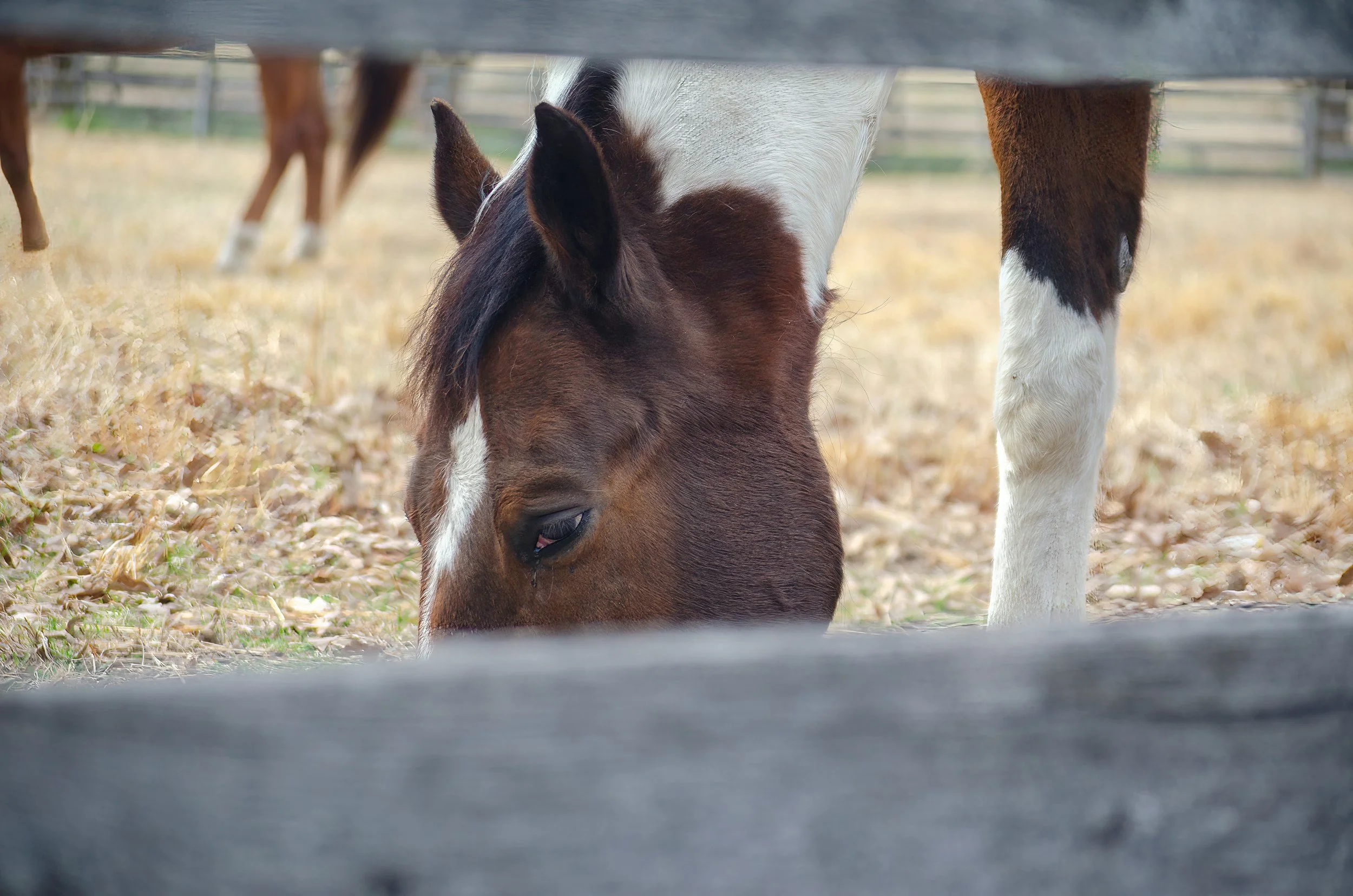
SEEKING
Seeking is the system behind curiosity.
It’s what makes a horse want to look, investigate, move forward, and engage with what’s in front of them. It’s the difference between a horse that is just responding… and one that is mentally with you, interested in what’s happening.
When this system is active, things feel lighter. The horse starts to offer more. There’s a sense of forward energy that doesn’t come from pressure, but from interest.
When it drops off, the work can start to feel flat. The horse may still do everything you ask, but it feels mechanical. Distracted. Like they’re going through the motions instead of being part of the conversation.
Understanding Seeking helps you recognize when curiosity is there… and when it’s fading.
And once you can see that, it becomes a lot easier to adjust before the whole session starts to feel disconnected.
-
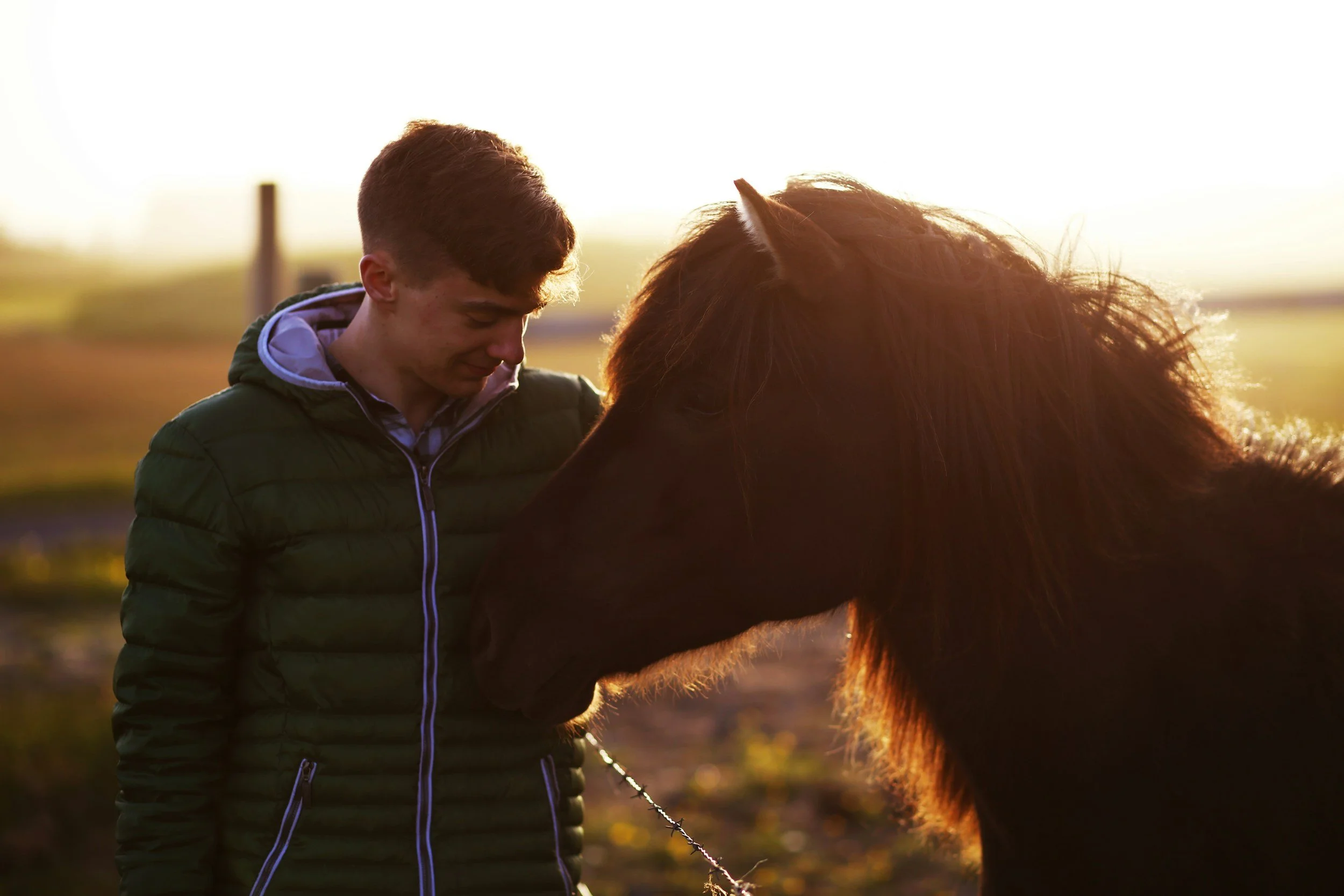
CARE
Care is the system connected to connection and regulation.
It’s what allows a horse to feel settled around you, to stay emotionally steady, and to handle pressure without becoming tense, uncertain, or reactive.
When this system is balanced, the horse feels grounded. They can be close without needing to crowd. They can move away without losing connection. There’s a sense of calm that doesn’t need to be forced.
When it’s off, things can feel different. A horse may get busy in your space, look to the herd, feel unsettled, or have a harder time relaxing into the work.
Understanding Care helps you see the difference between a horse that is truly connected… and one that is searching for stability.
And when that becomes clearer, it changes how you respond in those moments, both on the ground and under saddle.
I’m Chelsie Brooks, an equine behavior and body educator and IAABC member with more than 30 years of experience in the horse world!
My work centers on understanding what behavior communicates about the horse’s emotional experience. Curiosity, connection, withdrawal, engagement, and insecurity are not random responses. They reflect systems within the brain that shape how a horse explores, learns, bonds, and responds to the world around them.
Through this class, I want to help you look beneath the behavior and understand what may be driving it. When we recognize the difference between genuine curiosity and overwhelm, or connection and uncertainty, we can respond in ways that create more safety, clarity, and trust.
The goal is not to control every response. It is to create space for the horse to be heard and for a more thoughtful partnership to grow!